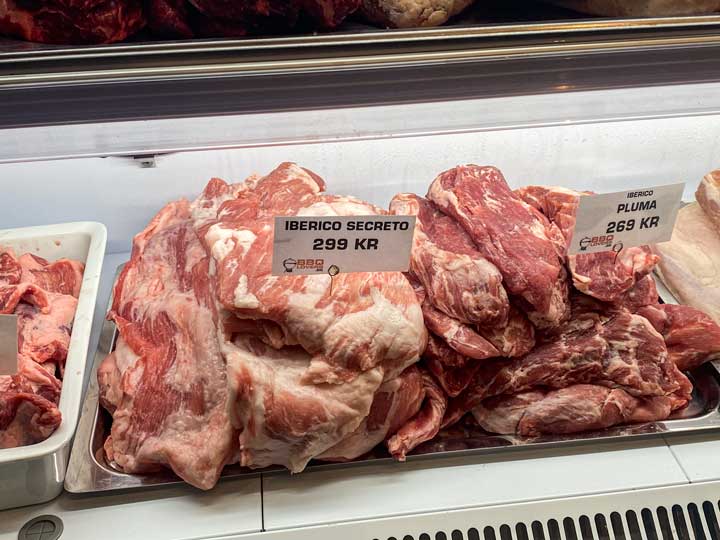

Iberico pork is one of the most exclusive and sought-after types of meat on the market today. This meat comes from the Iberico pig, a native breed from Spain and Portugal. These pigs live freely on pastures and in forests, where they get a natural diet of acorns and other natural ingredients. This results in a unique meat with a unique flavor, juiciness and marbling, praised among chefs all over the world. In this article we will explore more about Iberico pork, its quality grades and its cuts.
What is Iberico pork? Iberico pork is meat from the Iberico pig, a breed that is common in Spain and Portugal. These pigs are known for their high quality, which is why the meat is often considered a delicacy. The Iberico pig is a wild boar hybrid that has existed in the region for over 500 years and is regarded as an important part of the local culture and food culture.
The Iberico pig and its different breeds
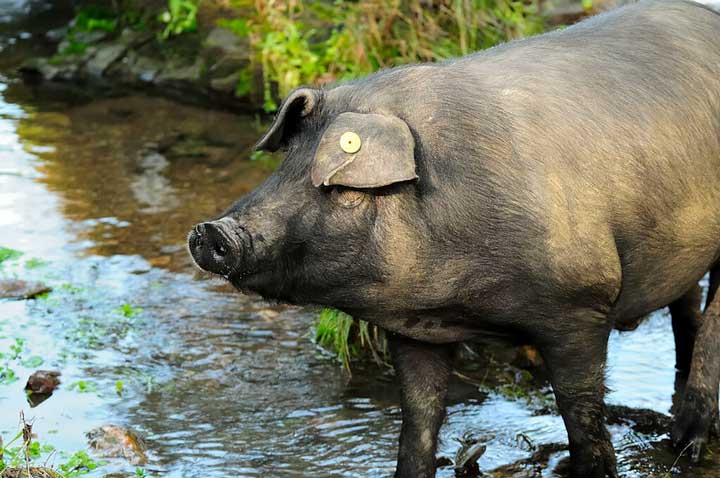
The Iberico pig is a unique breed that originates from the Iberian Peninsula, which includes Spain and Portugal. These pigs are known for the high quality of their meat and are regarded by many as one of the finest gourmet products in the world.
There are several different breeds of Iberico pigs, but the best known are Pata Negra, Retinto and Lampiño. Pata Negra is the most famous breed and is considered the highest quality. They have dark skin and dark meat, and are known for their distinct flavor. The Retinto pig has reddish skin and is smaller than the Pata Negra, while the Lampiño pig is smaller than both of the other breeds and has no hair at all.
Each breed of Iberico pig has its own characteristics that affect the flavor and quality of the meat. For example, Pata Negra pigs are known for having more fat and therefore a softer texture to the meat, while Retinto pigs are considered a bit leaner but still have a distinct flavor.
Iberico pigs are raised on free pastures in Spain and Portugal, which means they get a special diet of acorns and other natural feed. This natural diet is one of the factors that contribute to the quality of the meat.
Overall, the Iberico pig is a highly appreciated breed and its meat is regarded as one of the finest delicacies in the world.
Grades.
Iberico pork has different grades depending on what the pigs have eaten and how they have lived. The four main categories are bellota, cebo, recebo and campo.
Bellota is the highest grade and the most sought-after Iberico pork. It comes from pigs that have grazed freely on acorns during the last months of their lives. This gives the meat a rich, nutty flavor and a unique marbling that contains high levels of healthy monounsaturated fats.
Cebo is the next grade, and the meat comes from pigs that have eaten concentrated feed and grain. This type of Iberico pork has a milder flavor than bellota, but is still very much appreciated.
Recebo is a combination of bellota and cebo, and comes from pigs that have eaten a mix of both acorns and concentrated feed. This type of meat has a slightly milder flavor than bellota but with a higher fat content than cebo.
Campo is the lowest grade, and the meat comes from pigs that have grazed freely on grass and shrubs. This gives the meat a slightly darker color and a mild flavor. It has a lower fat content than the other grades, which makes it a healthier alternative.
An important thing to keep in mind with Iberico pork is that the grade does not always reflect the quality or flavor of the meat. That is because the pigs’ lifestyle and diet can vary even within the same grade. It is therefore important to look at the labeling of the Iberico pork to get more information about origin, rearing methods and feeding.
Denominación de Origen (DO) is a certification that guarantees the quality of Iberico pork from a specific region of Spain. There are several different DO areas for Iberico pork, some of the best known being Jabugo, Guijuelo and Los Pedroches.
In the end it is up to each person to decide which grade of Iberico pork suits their taste and budget. Bellota is the most sought-after and most expensive option, while cebo and recebo are more affordable and still very good alternatives.
What sets Iberico pork apart
Iberico pork is known for its high quality and unique flavor. This is due to several factors, including the animals’ diet and lifestyle as well as the region’s climate and soil. Iberico pigs graze freely on open land and feed on a diet that mainly consists of acorns and other natural foods. This gives the meat a unique nutty flavor and a high concentration of healthy omega-3 fats.
The meat is also known for its marbling, which is the fine pattern of fat running through the muscle. This marbling gives the meat its juiciness, flavor and tenderness. Iberico pork is also rich in protein, iron and other important nutrients.

Popular cuts
Abanico – cut from between the pork collar and the loin chop, with plenty of marbled meat that makes it tender and juicy.
Pork belly – or panceta, the belly of the pig, used to make bacon or air-dried.
Carrillera – the pig’s cheek, a fatty and flavorful cut that suits long braises and stews well.
Chuletero – a thick slice from the loin chop, often with the bone left on.
French rack – a type of spare ribs cut with the bones sticking out. The cut usually carries a lot of meat and has more marbling than ordinary spare ribs.
Lomo – the back loin of the pig, a leaner and more delicate piece that is often cooked as a whole roast.
Pluma – a piece that comes from the neck/shoulder of the pig, marbled and flavorful. One of our absolute favorites.
Presa – part of the Iberico pig’s pork collar closest to the ribs, rich in fat and flavor, often used in dishes that call for long cooking.
Rib fingers – small, narrow pieces of the ribs, not really a typical Iberico cut, but rib fingers of Iberico are magic.
Ribs – Not a specific Iberico cut either, but Iberico ribs have something special thanks to the outrageous marbling.
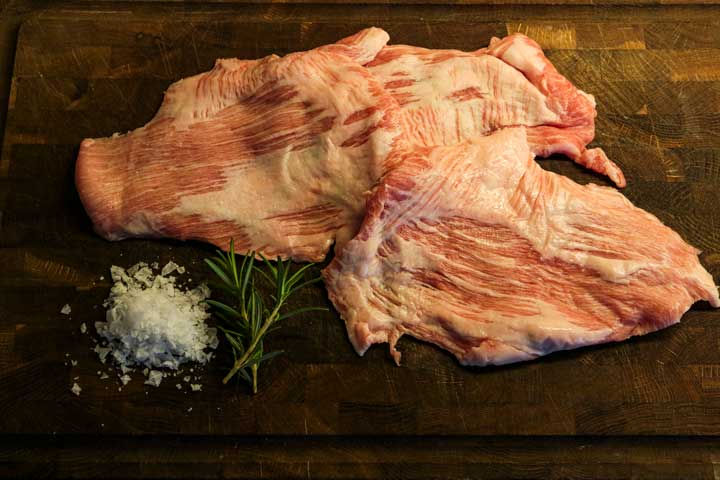
Secreto – a piece that comes from the pig’s neck/shoulder blade, very marbled and flavorful meat. Also called the pig’s secret, and it is the most exclusive cut on the Iberico pig.
Solomillo – the pork tenderloin of the pig, which has a completely different marbling from our Swedish pork tenderloins. Not to be confused with lomo, which is a different cut from the same area.
There are of course more cuts, but these are some of the most common. Just like here in Sweden, butchers can make different cuts depending on what you prefer.
Where can you get Iberico pork?
It may not be entirely easy to find Iberico pork in Sweden, but it is often available in small, well-stocked meat and delicatessen shops. Note that the meat mostly arrives frozen because of the long transport distance. From experience we know this is no disadvantage, as Iberico pork seems to age and do very well from having been frozen once. If you have the chance to get to northwest Skåne, we can get hold of some really fine cuts. If you’re interested, send an email to info@bbqlovers.se
Then we’ll see what we can come up with. Iberico pork is a delicacy of the highest quality, with a unique flavor and texture. It is known for its high marbling and healthy properties. Whether it is a pluma, secreto, presa or lomo, Iberico pork is a pleasure for every meat lover