


Caveman grilling, or Caveman style, is a technique that takes us back to the grilling basics our ancestors used.
Caveman grilling means cooking the food directly on or in the bed of embers, without any cooking grate.
Caveman style got its name because this is exactly how people used to cook a long time ago, with nothing but an open fire to work with.
The technique is still commonly used in South America and is a nice concept where you don’t need any expensive equipment.
You can use the method pretty much anywhere, why not when you’re out in the woods or on a fishing trip.
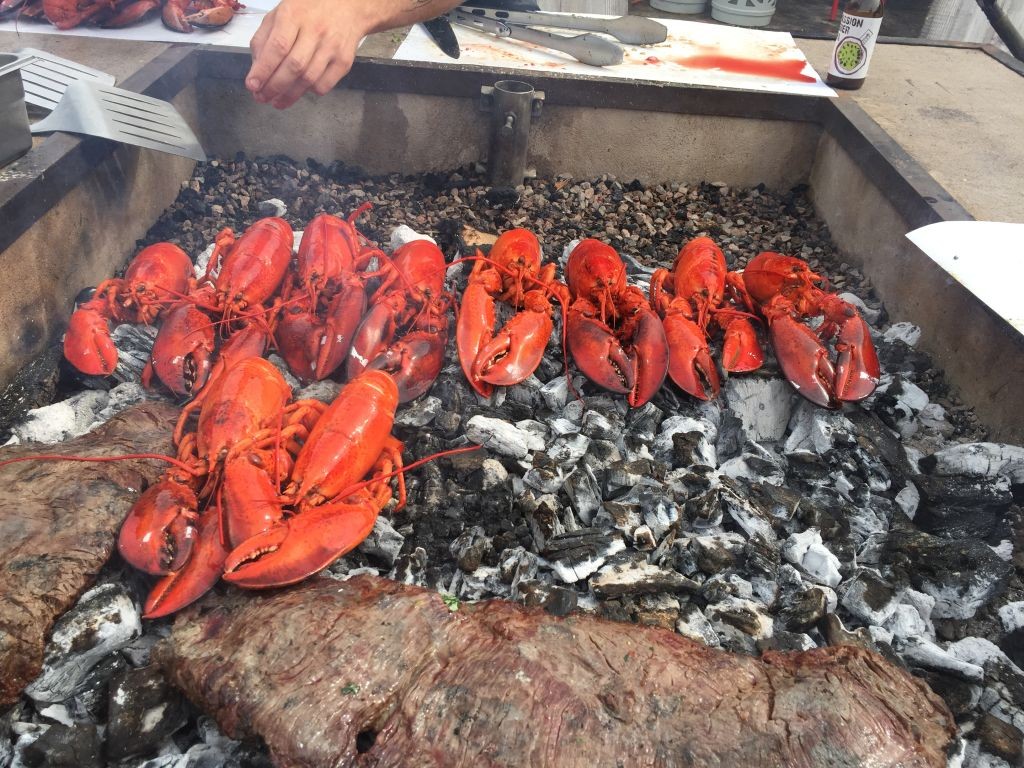
Any type of food can be cooked with Caveman grilling, but I think a reasonably thick steak, e.g. a flank steak or a piece of ribeye, is excellent for this technique.
Then I call it Dirty Steak instead.
Be sure to salt it properly a while beforehand.
Vegetables also work excellently with this method.
Many larger vegetables and root vegetables, such as cauliflower, rutabaga, kohlrabi and beets, turn out fantastically good from spending an hour in a foil packet directly on the embers.
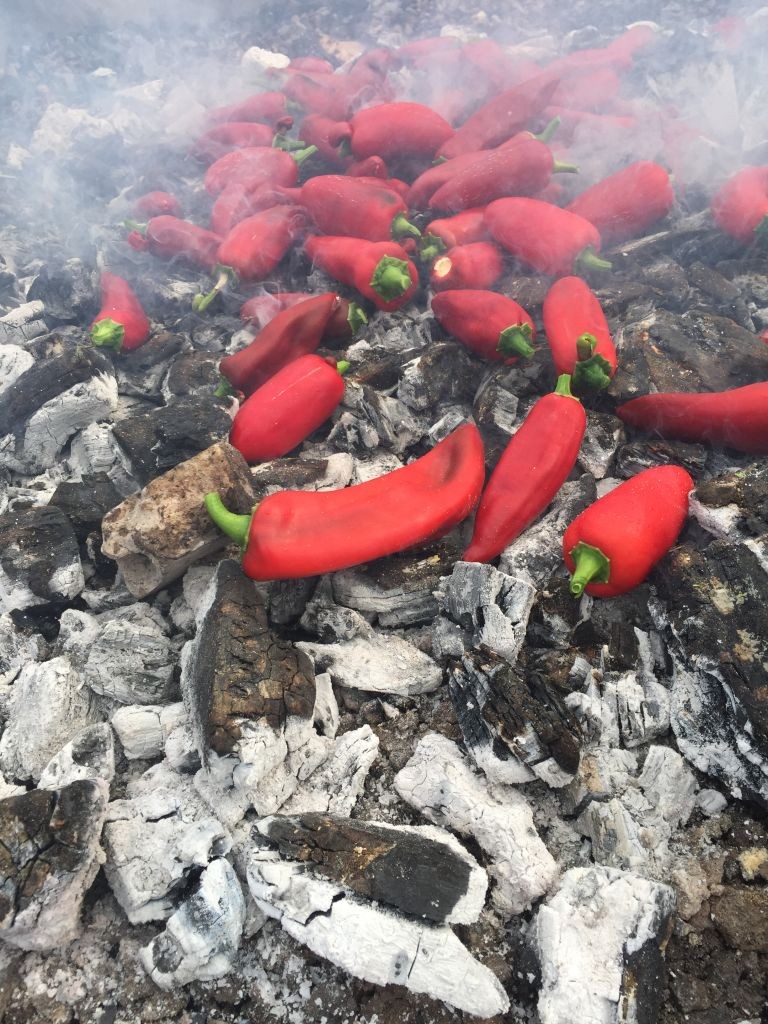
Chili works excellently too. Try, for example, tossing a few jalapeños or Pimientos de Padrón straight into the embers.
With fish and shellfish it can be hard to keep the food together when you move it around in the bed of embers. That’s why I usually use foil or parchment paper. Parchment paper looks nice when you serve it, since it doesn’t matter that the paper is a little burnt at the edges while the fish is perfectly cooked inside. Before I put the fish on the embers, I usually tie the parchment paper with some soaked kitchen twine to hold the fish together while it grills. You can also, for example, put a side of salmon on a log and place it straight in the embers. That way you get the heat, but the log doesn’t burn completely and ruin the fish.
Larger cuts of meat need to be cooked over indirect heat for a while before you lower them into the embers.
This is to avoid them burning on the outside and not being done in the middle.
Indirect heat usually means cooking them a bit above the bed of embers.
Hang them from a string tied to a branch that you push into the ground at a bit of an angle.
When it comes to temperature, you can’t regulate much, instead you move the food sideways to where it’s hotter or cooler.
Another option is to adjust the food vertically by using a tree branch or something else you can stick into the ground.
Tilt the branch at an angle over the fire and hang the food from strings.
For the best results you always burn some form of wood, either split logs or charcoal. Avoid briquettes, since they produce a lot of ash, and the ash often sticks to the food, which looks less appetizing.
When it comes to firewood, most hardwoods work well, but
Caveman grilling really is a technique that brings grilling back to its roots and gives an authentic cooking experience.
Cooking the food directly on or in the bed of embers gives a unique flavor and texture that is hard to recreate any other way.
Lighting the embers in several places at once and waiting until you have a nice bed of embers is the first step in Caveman grilling. When you place the food directly in the embers,
make sure to lay the meat and vegetables down carefully and turn often.
You don’t need to worry about charcoal and ash sticking to the food – and if it should, just brush it off lightly before serving.