


There are endless grilling gadgets to buy. That doesn’t mean you need all of them.
After many years at the grill, there are only a few things I use over and over. A good grill, good ingredients and control of the heat still matter more than a garage full of gadgets. But the right grilling accessories make the job both easier and safer.
Here are the tools I actually think are worth having.
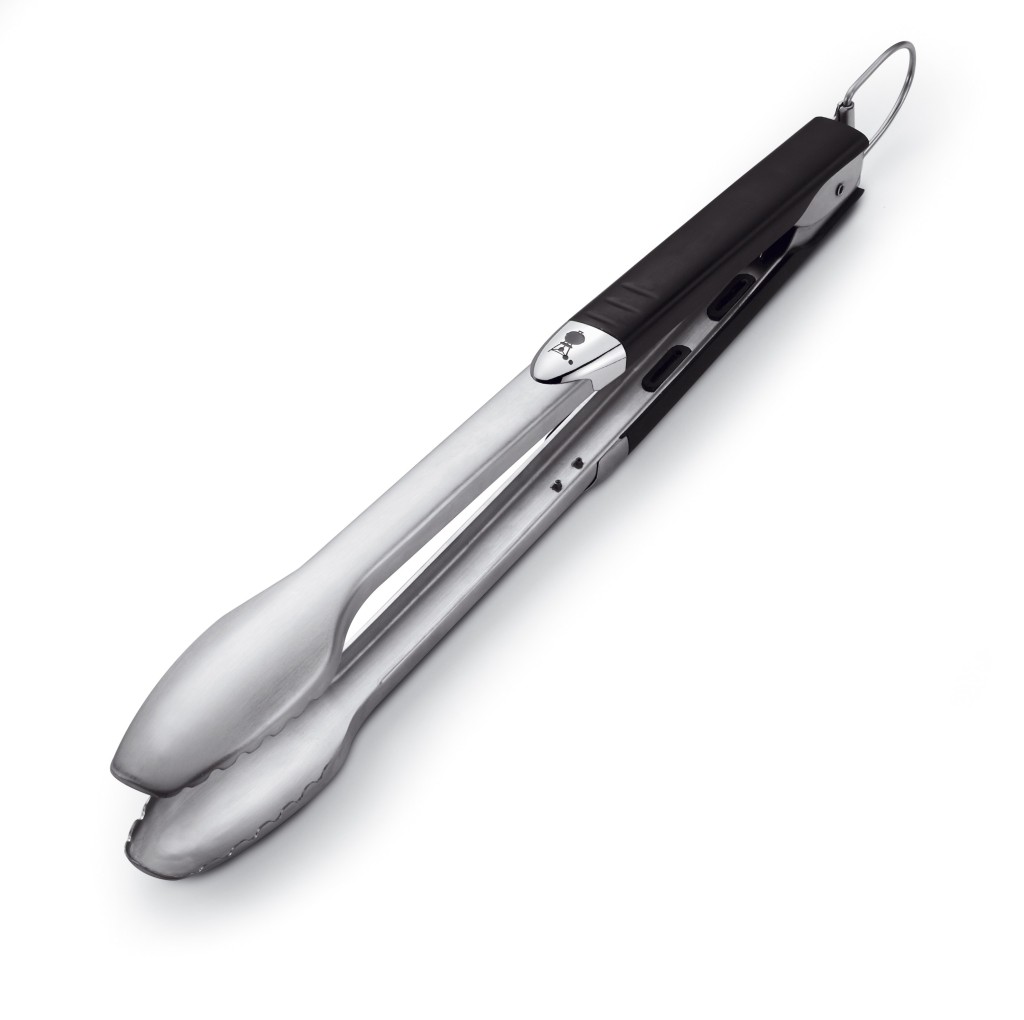
1. A Really Good Pair of Grill Tongs
This is still number one. The tongs should be sturdy enough to lift a hefty piece of meat without bending, and still give you good control when you turn smaller things.
I like to have two:
- a longer pair when I’m working over hot embers
- a shorter pair when I want better precision
What matters isn’t the logo on the handle but that the tongs feel stable, open and close with one hand, and actually grip the food.
2. Something Good for Cleaning the Grill Grate
A clean grate makes grilling more enjoyable and cuts down on the old burnt-on residue that follows you into the next dinner.
The old standard solution was a grill brush with metal bristles. I’m a lot more careful with that type today. Loose metal bristles can come off, get stuck on the grate and, in the worst case, end up in the food.
If you use a wire brush, it should be intact and checked regularly. Replace it right away if bristles start to come loose. There are also bristle-free grate cleaners, scrapers and other solutions that avoid loose metal bristles altogether.
A good trick is to clean the grate while it’s still warm and then check the surface before the food goes on.

3. A Good Digital Meat Thermometer
This is the tool I would recommend before almost any other grilling gadget.
Forget cutting into the meat to see if it’s done. A fast digital probe thermometer gives you far better control and helps you with both doneness and food safety.
For longer BBQ cooks, a thermometer with a separate probe is handy, because you can follow the temperature without opening the grill all the time.
The technology has changed a lot since this guide was first written in 2013, so I no longer recommend any specific old model here. Instead, look for fast readout, good accuracy, a clear display and a probe that suits the way you grill.
If you want to know which temperatures to aim for, see our updated guide to internal temperatures for meat.

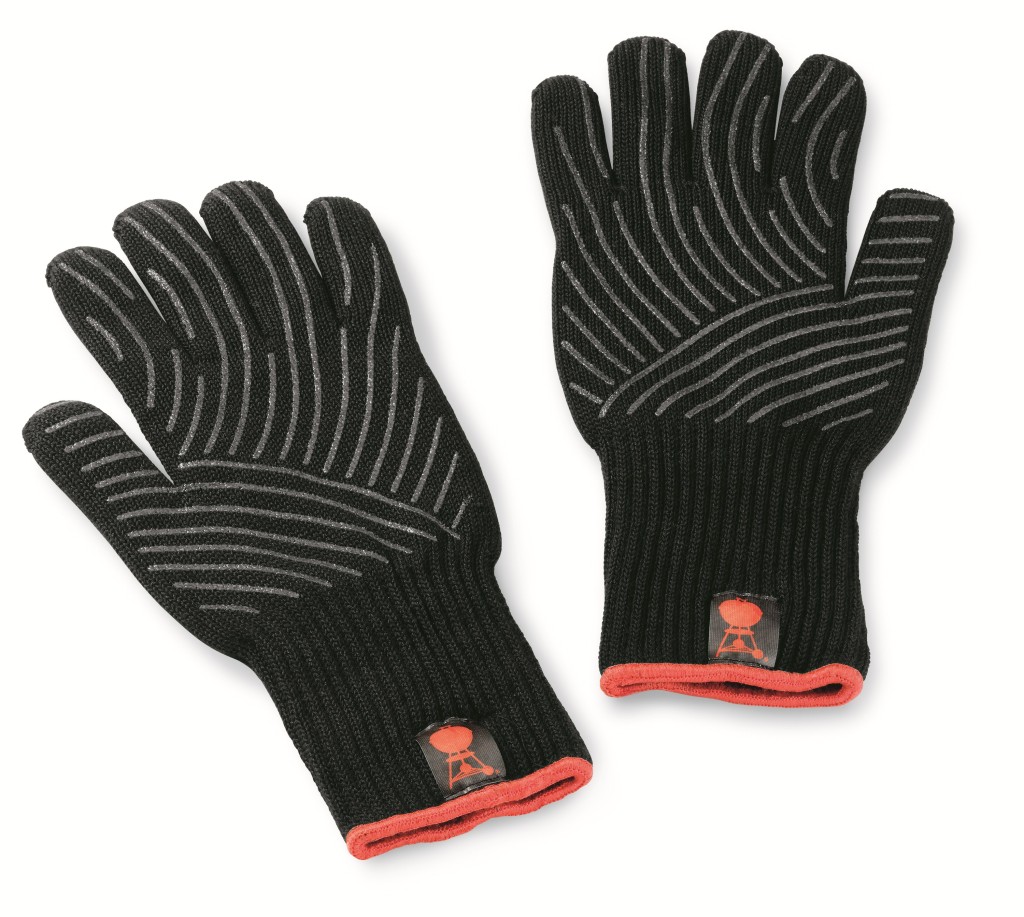
4. Heat-Resistant Grill Gloves
Believe it or not: a grill is hot. Extremely hot.
When you move a grate, adjust the fuel, handle a hot cast iron pan or work close to the coals, you want proper protection.
That said, no glove makes you immortal. Different materials handle direct contact with hot objects for different lengths of time, and wet gloves can conduct heat quickly. Use them as protection, not as an excuse to hold on to glowing metal.
5. Drip Pans
A simple aluminum or steel pan under the food is one of the cheapest and most useful tools for indirect grilling.
It can:
- catch fat and meat juices
- reduce the amount of fat dripping straight onto the embers
- make the grill easier to clean
- serve as a water pan in some low and slow setups
A water pan can add thermal mass and help create a moister environment, but it’s no magic temperature regulator, and the liquid in the pan doesn’t “marinate” the meat with beer or apple flavor in any meaningful way. If you want to flavor the meat, you’re better off doing it with a rub, glaze, mop, injection or the right smoking wood.
Where the drip pan goes depends on the grilling method. In our guide to direct and indirect grilling we show the principle behind the zones.

6. Aluminum Foil: Useful, but Not for Everything
Foil is still good to have near the grill. Among other things, I use it to wrap certain ingredients, to protect parts that are getting too much color, and for some BBQ techniques.
But the old advice to automatically wrap every finished piece of meat tightly in foil for resting is too simple. A steak or a larger piece of meat often benefits from resting, but how it should rest depends on the cut and how it was cooked. Tight foil can also soften a crisp surface or bark.
7. A Chimney Starter If You Grill with Charcoal or Briquettes
This was missing from my original list, but today I think it belongs here. A chimney starter is a simple way to get charcoal and briquettes going without lighter fluid.
For low and slow you often only need to light a smaller amount of fuel. If you cook on a kettle grill, you can read our guide to the snake method.
8. A Good Knife and a Stable Cutting Board
These are really kitchen equipment, but at the grill they’re at least as important as many specialty tools. A sharp knife makes it easier to trim meat and slice against the grain, and a solid cutting board gives you a safe work surface.
If you’ve started buying bigger American BBQ cuts, our guide to American meat cuts explained in Swedish terms is also good to keep close at hand.
What Do You Really Need to Start Grilling?
If you’re standing there with a new grill and don’t want to buy everything at once, this is where I would start:
- grill tongs
- digital probe thermometer
- heat-resistant gloves
- a safe way to clean the grate
- a chimney starter if you use charcoal or briquettes
You can buy the rest when you actually notice you need it. That’s a lot better than filling your drawers with specialty tools that get used once and never again.
The Most Important Grilling Tool Is Still Between Your Ears
Good tools help, but they don’t replace control of heat, time and ingredients. First learn the difference between direct and indirect grilling, use the thermometer, and then build on with equipment based on how you actually like to grill.
It’s still the best investment you can make at the grill.