
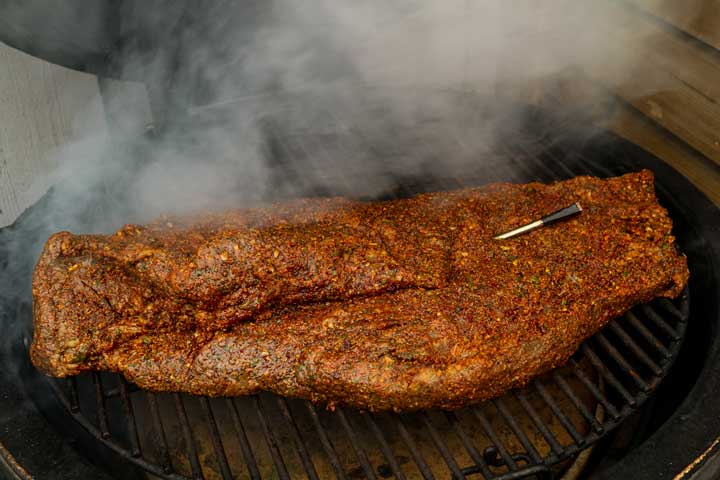

Smoking meat is an ancient technique that has been used for centuries to preserve meat longer and give it an intense flavor. But it’s not just about preserving and flavoring the meat, it’s also about creating an experience and satisfying the taste buds. So if you want to learn more about smoking meat and why it’s so fantastic, come along with me on this in-depth journey into the magical world of smoke!
Why smoke meat?
There are many reasons to smoke meat. First, smoking gives the meat a unique and intense flavor you can’t get anywhere else. It’s a flavor that’s hard to describe, but that you simply have to experience for yourself. Second, smoking is an excellent preservation method that has been used for centuries to extend the shelf life of meat. Last but not least, smoking meat is a ritual, an experience and a way to spend time with friends and family. Smoking meat is a project that takes time and requires commitment, but the reward is a fantastic taste experience and a memorable occasion.
What happens in the meat when we smoke it?
When we smoke meat, we expose it to low heat and smoke from wood. This breaks down the proteins in the meat, which gives it increased tenderness and juiciness. At the same time, the smoke creates a crust on the surface of the meat that protects it from drying out. The smoke also contains chemical compounds that give the meat an intense flavor and aroma.
How do you prepare the meat before smoking?
To get the most out of your smoking, it’s important to prepare the meat properly. First, the meat should be trimmed and cleaned of excess fat and membranes. This will improve the flavor and protect the meat from getting too greasy during smoking. Second, the meat should be marinated in a seasoning blend that suits the wood you’ll be using for smoking. The seasoning will help the meat absorb the flavor from the smoke and add an extra dimension to the taste.

Is salt important?
Yes, salt is an important ingredient in smoking meat. The salt helps preserve the meat by drawing out moisture while also boosting flavor. It’s important not to use too much salt, though, since it can make
the meat too salty. A rule of thumb is to use 1 tsp of salt per kilo of meat.
What temperatures are optimal in the smoke when smoking?
Temperature is one of the most important factors when smoking meat. The optimal temperature for smoking is between 80–125 degrees Celsius. It’s important not to go above this temperature, since higher temperatures can dry out the meat and ruin the flavor. To keep the temperature constant, you can use a thermometer and a smoker.
What woods can you smoke with?
There is a wide range of woods that can be used for smoking meat. Each wood gives a unique flavor to the meat. Here is a list of some of the most common smoking woods and their smoking characteristics:
- Alder: Gives a mild and sweet flavor that goes well with fish, pork and chicken
- Birch: Gives a mild and sweet flavor that goes well with pork, beef and poultry.
- Beech: Gives a powerful and robust flavor that goes well with beef, game and pork.
- Eucalyptus: Gives a fruity and sweet flavor that goes well with pork and chicken.
- Sea buckthorn: Gives a mild and sweet flavor that goes well with fish and poultry.
- Hickory: Gives a strong and distinct flavor that goes well with pork and beef.
- Cherry: Gives a mild and sweet flavor that goes well with poultry, pork and beef.
- Maple: Gives a mild and sweet flavor that goes well with fish, pork and beef.
- Mesquite: Gives a powerful and smoky flavor that goes well with beef and pork.
- Pecan: Gives a sweet and nutty flavor that goes well with pork and chicken.
- Plum: Gives a mild and sweet flavor that goes well with poultry and pork.
- Rowan: Gives a mild and fruity flavor that goes well with fish and poultry.
- Walnut: Gives a powerful and nutty flavor that goes well with pork and beef.
- Apple: Gives a sweet and fruity flavor that goes well with chicken, pork and beef.
Read even more about smoking wood HERE
Why should you avoid conifers when smoking?
Conifers, such as pine, spruce and cedar, are woods that contain a lot of resin. Resin is a substance rich in terpenes, which can give a bitter and unpleasant taste when used to smoke food. In addition, conifers often contain resins and acids that can make the smoke harsh and unsuitable to breathe in.
Another reason to avoid conifers when smoking food is that they can contain toxic substances, such as heavy metals and pesticides. This is because conifers tend to absorb these pollutants from the soil where they grow. It is therefore recommended to use woods that are safe and have good smoking properties when smoking food.
Bonus: Smoking with herbs and spices.
Smoking with herbs and spices is a popular technique for giving food an extra dimension of flavor. There is a wide range of herbs and spices that can be used to smoke food, and each combination gives a unique flavor profile.
One of the most popular herbs to smoke with is thyme. Thyme gives a lovely aroma that goes perfectly with chicken, pork and lamb. It’s also common to smoke with rosemary, which gives an herbal flavor that suits beef and game especially well.
Try putting a few sprigs of rosemary on the coals when you’re grilling chicken, for example. It gives a fantastic flavor.
You can also smoke with other spices such as caraway, coriander, cumin and fennel. These spices give a hearty flavor and suit pork and beef especially well.
To smoke with herbs and spices, you usually mix them with wood chips or smoking dust. You can also place the herbs and spices directly on the coals or briquettes for a stronger flavor.
Another technique is to make an herb or spice packet, where you place herbs and spices in a sheet of foil with holes in it and then put it on the grill or in the smoker together with the food. This gives a subtle flavor of herbs and spices that works its way into the food during slow cooking.
Whichever technique you choose for smoking with herbs and spices, you can be sure it adds an extra dimension of flavor to the food. It’s also a good option for those who want to cut down on salt in their food but still get a smoky flavor.
Smoking fish
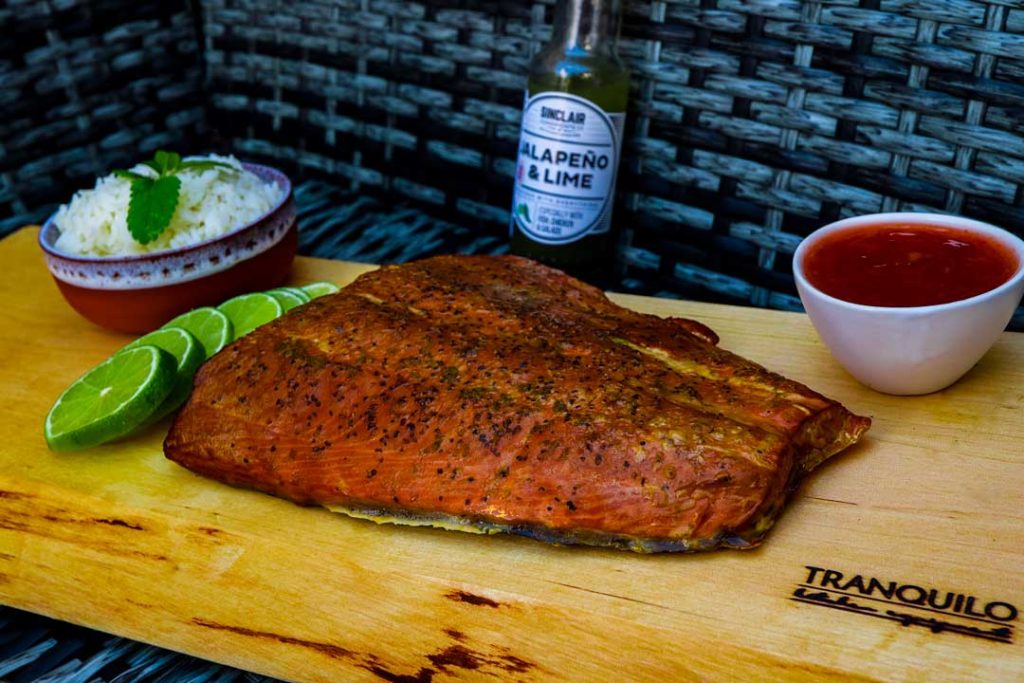
Smoking fish is another popular smoking method. Fish can be a bit harder to smoke than meat because it’s delicate and can dry out easily. A good rule is to smoke the fish at a lower temperature and for a shorter time than you would with meat. Smoke the fish for about 2–4 hours at a temperature of 80–100 degrees Celsius.
Can you smoke other ingredients?
Absolutely! You can smoke almost anything you want to give a smoky flavor. Some of the most common ingredients that can be smoked are vegetables, cheese, nuts and fruit. There are no limits to what you can experiment with when it comes to smoking food!
Hot smoking
Hot smoking is the most common method for smoking food. In hot smoking, the food is smoked at high temperatures between 140–257°F, which means the food is also cooked at the same time as it’s smoked. Hot smoking is ideal for smoking larger cuts of meat, such as beef, pork and poultry. The high temperature gives the food a lovely smoke flavor while it cooks, which results in tender and juicy meat.
To hot smoke, you need a smoker or a grill with a lid. The food is placed on the grill grate and smoked with wood chips or chunks. The wood is then placed on a bed of glowing coals or in a special container to generate smoke.
The advantages of hot smoking are that the food is cooked at the same time as it’s smoked, which gives a tender and juicy result with a lovely smoke flavor. The disadvantage is that it takes longer to smoke food this way, since the food has to be cooked while it’s being smoked.
Cold smoking
Cold smoking is another method for smoking food. In cold smoking, the food is smoked at low temperatures of between 68–86°F, which means the food is not cooked at the same time as it’s smoked. Cold smoking is ideal for smoking fish and dairy products, such as salmon and cheese. The low temperature gives the food a subtle smoke flavor without cooking it.
To cold smoke, you need a special smoker or smoking chamber. The food is placed on a shelf or on a special hook and smoked with wood chips or sawdust that has been burned to embers and then placed in a special spot in the smoking chamber. The smoking chamber is sealed and the smoke circulates around the food for several hours.
The advantage of cold smoking is that the food gets a subtle smoke flavor without being cooked, so it keeps its natural texture and flavor. The disadvantage is that it takes longer to smoke food this way, and that it’s important to maintain an even temperature and ventilation to avoid bacterial growth.
Which grills can you smoke in?
You can smoke in pretty much any grill you like, as long as it has a lid that stops the smoke from escaping.
If you have, for example, a Weber 57 (cm), which is probably one of the most common grills in our gardens, it works perfectly well to use it if you use few briquettes or little charcoal.
Other grills that are excellent for smoking in are:
- Pellet grills: Pellet grills are a hybrid between a charcoal grill and an electric grill. They’re easy to use and give the food an authentic smoke flavor. Pellet grills are relatively expensive, though, and need an electrical outlet to work.
- Offset smokers: Offset smokers are another type of smoker that gives an authentic smoking experience on the food. Offset smokers use a separate chamber to generate smoke and heat, which is then spread to the food. Offset smokers are relatively expensive and can be difficult for beginners to use.
- Kamado grills are ceramic grills used for grilling, smoking and baking food. They’re designed to hold heat very well, which makes them ideal for slow cooking and smoking. Kamado grills give the food an authentic smoke flavor and can be used to smoke everything from meat and fish to vegetables and cheese. One disadvantage of kamado grills, however, is that they can be expensive and can be difficult for beginners to use. But for those who want a high-quality and versatile grill and smoker, a kamado grill can be a good choice.
- Bullet smokers, also known as water smokers, are a popular and affordable type of smoker used to smoke meat and other foods. It consists of two parts, a larger chamber for charcoal and a smaller chamber for the food. Bullet smokers have a water pan that helps regulate the temperature and keep the food moist during smoking. Vents on the top and bottom can be adjusted to regulate airflow and temperature. With the right technique and wood chips or chunks, you can get a delicious smoky flavor on everything from meat to vegetables and fruit.
- Smokers or smoking cabinets: Smokers are an excellent option for those who want a real smoking experience.
Smokers give the food an authentic smoke flavor and can be very versatile in use. The disadvantage is that they are expensive and can be difficult for beginners to use. - Gas grills: Gas grills are a good option for those who want a convenient and easy smoking experience. Gas grills are easy to use and give an even temperature, which makes them ideal for smoking. One disadvantage of gas grills, however, is that they don’t give the same authentic smoke flavor as a charcoal grill.
I hope you’ve gotten a little insight into the wonderful world of smoke with this article. Smoke is a fantastic flavoring for grilling and BBQ.
Really, you just have to try your way through different methods and you’ll surely find your favorite quickly.
Good luck